
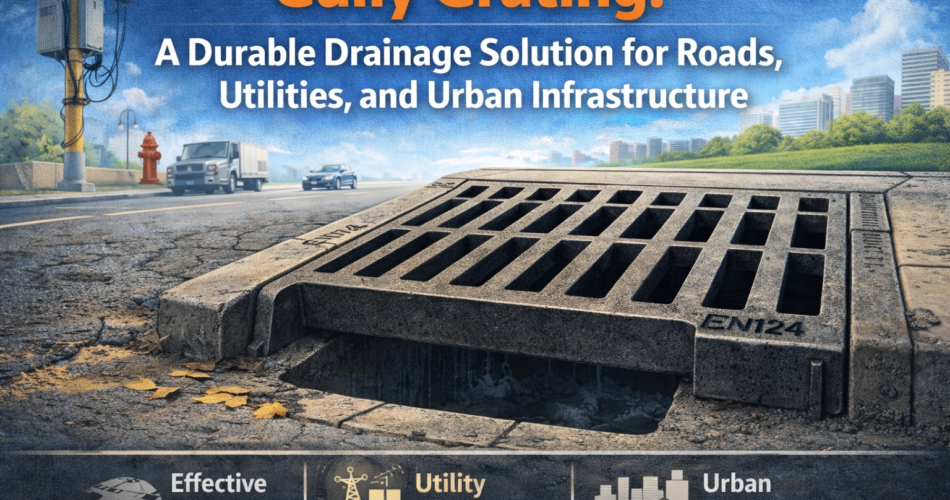
In any drainage system, surface water must be collected quickly and safely before it begins to create bigger problems. Waterlogging, slippery surfaces, damaged pavements, blocked roadside drains, and unsafe traffic conditions often start with poor drainage design or weak drainage components. That is where gully grating becomes important. It is not just a metal cover over a drain opening. It is a working part of the infrastructure that helps manage runoff, protect drainage inlets, and maintain safer public and industrial spaces.
For municipalities, contractors, developers, civil engineers, and infrastructure planners, selecting the right gully grating is a practical decision that affects long-term performance. The product must allow efficient water flow, resist load and wear, remain stable in service, and withstand outdoor exposure over time. Cheap or poorly manufactured gratings may fail early, clog easily, shift under pressure, or create safety hazards. That is why manufacturing quality matters.
For a company like Aris Foundry, gully grating falls directly within its expertise in cast iron and ductile iron products used for infrastructure, public works, utility, and construction applications. With over 35 years of industry experience, ISO 9001:2015 certified operations, modern manufacturing infrastructure, and in-house quality systems, the company is aligned with the needs of projects where reliable drainage products are essential.
What Is Gully Grating?
Gully grating is a drainage cover installed over a gully or drainage inlet to allow rainwater and surface runoff to enter the drainage system while helping block larger debris from going inside. It serves two basic functions at the same time. First, it supports water entry into the drainage chamber or pipe system below. Second, it helps create a safer usable surface above the inlet.
These gratings are commonly installed in areas where surface water needs to be collected efficiently, such as:
Roads and Streets
Gully gratings are widely used along roadsides, curbs, intersections, and carriageways where rainwater needs to be directed into stormwater drainage systems.
Parking Areas and Driveways
Vehicle movement areas often require durable gratings that can manage runoff without compromising surface stability.
Industrial and Utility Zones
Factories, warehouses, service corridors, and plant areas use drainage gratings where water discharge and site cleanliness matter.
Commercial and Residential Projects
Large developments, townships, campuses, and public spaces use drainage inlets to manage surface water more effectively.
Why Gully Grating Matters in Infrastructure Projects
A lot of drainage failures happen because buyers underestimate the importance of the inlet cover. That is bad thinking. If the gully grating is weak, unstable, poorly fitted, or unsuitable for the load condition, the drainage system becomes less reliable and the surface becomes less safe.
A properly manufactured gully grating helps support:
Efficient Water Drainage
The grating allows rainwater and runoff to enter the drainage system quickly, reducing water accumulation on the surface.
Safer Roads and Walkways
By covering the inlet properly, the grating helps reduce accident risks for pedestrians, bicycles, and vehicles.
Protection Against Debris Entry
It helps stop larger waste materials, stones, leaves, and debris from entering the drain and causing blockages.
Long-Term Durability
A good gully grating is designed to remain functional despite repeated load, environmental exposure, and routine site use.
Better Maintenance Performance
A stable and properly designed grating supports easier cleaning and maintenance of the drainage system below.
Common Applications of Gully Grating
Gully grating is used across civic, industrial, and commercial infrastructure. The design and material requirement may vary depending on the installation environment and load expectations.
Gully Grating for Municipal, Commercial, and Industrial Use
Municipal Drainage Systems
Civic bodies use gully gratings in stormwater and roadside drainage networks to reduce waterlogging and improve urban drainage efficiency.
Roads and High-Traffic Areas
Where drainage inlets are located near vehicle movement, gratings must be strong enough to handle continuous or repeated loading.
Industrial Premises
Factories and processing sites use gully gratings in service areas, wash zones, and utility corridors where water control is necessary.
Commercial Developments
Malls, office complexes, hotels, hospitals, and campuses rely on drainage gratings to maintain clean, safe, and functional external areas.
Residential and Township Projects
Internal roads, landscaped areas, driveways, and common spaces in housing developments often require dependable surface water drainage systems.
Why Material Selection Is Important
This is where many procurement mistakes begin. Buyers often compare drainage products only by size or quote value, ignoring material quality. That is a weak approach. The material directly affects load-bearing performance, durability, and product life.
For drainage and public works applications, cast iron and ductile iron remain highly relevant because of their strength and long-term reliability.
Cast Iron Gully Grating
Cast iron is widely used in drainage and utility products because of its durability, compressive strength, and suitability for robust casting designs. It is a practical solution for many municipal and construction-related drainage applications.
Ductile Iron Gully Grating
Ductile iron offers higher toughness, better impact resistance, and improved strength in more demanding conditions. It is often preferred where the grating is exposed to heavier traffic loads or more severe operating environments.
The right material should always match the application. A pedestrian drain and a roadside traffic drain are not the same thing, and they should not be treated as if they are.
What Buyers Should Check Before Choosing Gully Grating
A gully grating is not something you should buy casually. If the product is going into a road, utility zone, or public space, it must perform properly. That means buyers need to evaluate more than appearance.
Gully Grating: Key Features That Actually Matter
Load-Bearing Suitability
The grating should be selected according to whether the installation area is pedestrian-only, light vehicle, or heavy-duty traffic-bearing.
Structural Strength
A high-quality grating should resist cracking, deformation, and surface instability under normal use conditions.
Proper Fitment
The grating must seat correctly in its frame or chamber opening. Poor fit leads to rocking, noise, uneven wear, and safety issues.
Effective Drainage Openings
The design should allow sufficient water entry while limiting the passage of large debris into the system below.
Corrosion and Weather Resistance
Outdoor drainage products face constant exposure to water, dust, humidity, and environmental contamination. Material integrity and finishing matter.
Maintenance Practicality
The product should support inspection and cleaning without making maintenance unnecessarily difficult.
Manufacturing Consistency
A single acceptable sample means nothing if batch quality is inconsistent. Infrastructure products require repeatable standards.
Why Foundry Capability Matters More Than a Product Catalog
A neat catalog image does not prove performance. A gully grating that looks fine on paper may still fail in service if the casting quality is poor. Real reliability depends on how the product is made.
A serious manufacturer should have control over:
- moulding quality
- metal consistency
- dimensional accuracy
- surface finishing
- testing and inspection
- batch-to-batch quality stability
Aris Foundry brings these strengths through its infrastructure-focused manufacturing approach. The company operates from a state-of-the-art facility with substantial production capacity, multiple moulding lines, in-house machining support, dedicated quality systems, and laboratory capability for chemical and physical testing. This level of foundry control matters because drainage products have to work in the field, not just pass a visual check at dispatch.
Why Aris Foundry Is Relevant for Gully Grating Requirements
Aris Foundry manufactures cast iron and ductile iron products used in infrastructure, utilities, public works, and construction projects. Its profile is well aligned with the requirements of gully grating applications where product quality, durability, and standards awareness are important.
The company’s strengths include:
More Than 35 Years of Industry Experience
Long-term foundry experience matters because consistent casting quality comes from process discipline, not trial and error.
ISO 9001:2015 Certified Operations
A structured quality framework supports better control and repeatability in production.
Large Manufacturing and Machining Infrastructure
A strong facility setup supports quality casting output and practical flexibility for project needs.
In-House Testing Facilities
Chemical and physical testing improve confidence in material performance and product reliability.
Standards-Oriented Manufacturing
Products aligned with international standards such as EN124, ASTM, and BS reflect a more serious engineering approach to infrastructure supply.
The Long-Term Cost of Poor-Quality Gully Grating
This is the part many buyers ignore at the quotation stage. A cheaper grating may reduce initial procurement cost, but if it breaks, shifts, corrodes badly, or fails under load, the downstream cost becomes much higher.
Poor-quality gully grating can lead to:
- repeated replacement
- drainage inefficiency
- labour and installation disruption
- unsafe road or walkway conditions
- higher maintenance burden
- reduced infrastructure reliability
That is why smart buyers focus on lifecycle value, not just the lowest upfront number.
Choosing the Right Supplier for Gully Grating
If you are sourcing gully grating for municipal, commercial, industrial, or infrastructure use, the supplier should offer more than product availability. They should have the manufacturing strength to produce reliable castings that match actual service conditions.
Look for a supplier that offers:
Real Foundry Manufacturing Capability
There is a big difference between a genuine manufacturer and a trader reselling inconsistent products.
Infrastructure Application Understanding
The supplier should understand drainage use cases, load conditions, and practical site requirements.
Quality Assurance Systems
Testing, process control, and consistency are essential in drainage-related public works products.
Support for Project-Based Needs
Where specific dimensions, designs, or product variations are required, the manufacturer should be able to respond with technical clarity.
Conclusion
Gully grating is one of those products that only gets noticed when it fails. That is exactly why it should be selected carefully. In drainage systems, it plays a direct role in water flow management, surface safety, debris control, and long-term infrastructure reliability.
A weak grating creates avoidable problems. A strong, well-manufactured grating supports better drainage performance, lower maintenance trouble, and longer service life. For road projects, municipal drainage, industrial premises, and commercial developments, that difference matters.
For buyers looking for durable cast iron and ductile iron drainage solutions, Aris Foundry offers the experience, manufacturing strength, and standards-focused approach required for dependable gully grating supply. In real infrastructure work, drainage performance depends on the details, and gully grating is one of those details that cannot be treated lightly.